How Indoor Skydiving Works: Complete 2025 Beginner’s Guide
Indoor skydiving creates the sensation of free fall through powerful vertical wind tunnels that generate speeds up to 175 mph. This revolutionary technology allows anyone to experience the thrill of skydiving without jumping from an airplane, using controlled airflow to simulate the exact physics of actual skydiving in a safe, indoor environment.
The Science Behind Indoor Skydiving Technology
Indoor skydiving operates through sophisticated vertical wind tunnel systems that create powerful upward airflow. Multiple industrial fans, typically ranging from 4 to 8 units depending on the facility size, generate consistent wind speeds between 120-175 mph. These fans are strategically positioned below a flight chamber and work in coordination to produce smooth, controllable air currents that can support human body weight during flight.
The wind tunnel design features a recirculating loop system where air flows upward through the flight chamber, then returns downward through the outer walls of the structure. This closed-loop design ensures consistent air pressure and temperature while minimizing energy consumption. Modern facilities like iFLY use advanced motor technology that can instantly adjust wind speeds to accommodate different body weights and skill levels, making the experience accessible to flyers weighing between 40-300 pounds.
Wind Tunnel Components and Mechanics
The primary components of an indoor skydiving machine include the fan assembly, flight chamber, air return system, and control mechanisms. The flight chamber typically measures 12-16 feet in diameter and 20-30 feet in height, providing ample space for safe maneuvering. High-grade steel mesh covers separate the flight area from the fan section, ensuring flyer safety while maintaining optimal airflow patterns throughout the chamber.
Airflow Dynamics and Safety Systems
Advanced airflow management systems monitor wind speed, temperature, and pressure continuously during flights. Computerized controls allow instructors to make real-time adjustments, increasing or decreasing wind speed within seconds to accommodate different flying positions and techniques. Safety features include emergency stop systems, padded walls, and specialized air diffusers that create smooth airflow transitions at chamber entry and exit points.
Step-by-Step Indoor Skydiving Process
The indoor skydiving experience begins with a comprehensive safety briefing and training session lasting 15-20 minutes. Participants learn essential body positioning techniques, hand signals for communication with instructors, and safety protocols. Professional instructors demonstrate proper flying positions including the neutral belly-down stance, arm and leg positioning, and how to maintain stability during flight.
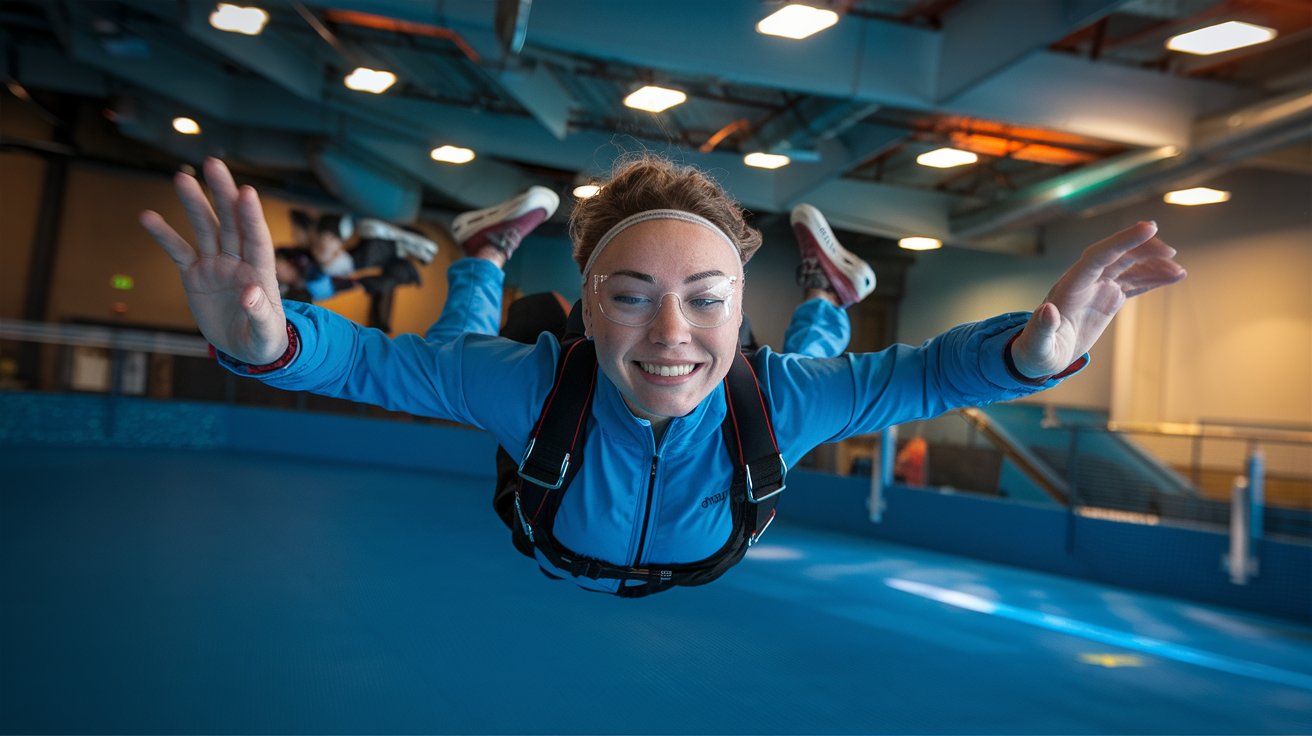
Before entering the wind tunnel, flyers receive specialized equipment including flight suits, helmets, goggles, and earplugs. The flight suit is designed with specific materials and fit to optimize aerodynamics and safety during the flight experience. Most facilities provide all necessary equipment as part of the package, ensuring proper sizing and safety compliance for each participant.
Pre-Flight Preparation and Training
During the training phase, instructors teach the fundamental body position for indoor skydiving which involves arching the back, keeping arms extended, and maintaining bent knees. Participants practice these positions on the ground before entering the wind tunnel. The instructor explains communication signals including thumbs up for more wind speed, thumbs down for less speed, and specific hand gestures for directional movement within the chamber.
Entering the Flight Chamber
The actual flight experience begins when participants enter the wind tunnel chamber with their instructor. First-time flyers typically receive one-on-one guidance during their initial flights, with the instructor maintaining physical contact to ensure proper positioning and safety. The instructor gradually reduces assistance as the flyer demonstrates control and comfort with the wind tunnel environment, allowing for more independent flight time.
What Indoor Skydiving Feels Like for Beginners
Most first-time flyers describe indoor skydiving sensation as an intense rush of wind combined with the unique feeling of weightlessness. The initial moments can feel overwhelming as the powerful airflow engulfs your body, but this sensation quickly transforms into an exhilarating feeling of floating and controlled flight. Unlike outdoor skydiving, there’s no fear of heights or airplane exit anxiety, allowing participants to focus entirely on the flying experience.
The physical sensation differs from actual skydiving in several key ways. Indoor skydiving eliminates the stomach-dropping feeling associated with jumping from an aircraft since you’re not actually falling. Instead, you experience sustained flight supported by consistent airflow. The wind noise is significant, requiring ear protection, and the airflow creates intense pressure on your face and body, which becomes more comfortable with experience and proper technique.
Duration and Flight Time Expectations
A typical indoor skydiving session includes 60 seconds of actual flight time, equivalent to approximately one minute of free fall from 14,000 feet during outdoor skydiving. This flight time is usually divided into two separate 30-second flights with brief breaks between sessions. The total facility visit time ranges from 90 minutes to 2 hours, including check-in, safety training, gear fitting, flights, and debriefing.
Flight duration can vary based on package selection and experience level. Beginner packages at major facilities like iFLY locations typically offer 2 flights of 60 seconds each, while advanced packages may include 3-5 flights with longer duration. Experienced flyers can purchase extended flight times, with some advanced sessions lasting up to 2-3 minutes per flight, allowing for more complex maneuvers and skill development.
Pricing and Package Options in 2025
Indoor skydiving costs in the United States range from $70-120 for basic first-time packages, with prices varying by location and facility. Premium packages including additional flight time, photos, and videos typically cost $150-250. Most facilities offer group discounts and birthday party packages, making it more affordable for multiple participants. Annual membership options are available at many locations for frequent flyers.
Age and Weight Requirements
Most indoor skydiving facilities accept participants as young as 3 years old, with weight limits typically ranging from 40 to 300 pounds. Children under 18 require parental consent, and participants with certain medical conditions including heart problems, back injuries, or pregnancy are advised to consult physicians before flying. Height restrictions are minimal, though extremely tall individuals may need special accommodations in smaller wind tunnels.
Breathing Techniques and Physical Preparation
Proper breathing during indoor skydiving requires specific techniques due to the intense airflow. Participants should breathe through their nose rather than their mouth to prevent the wind from forcing air into their lungs too rapidly. The key is maintaining calm, controlled breathing similar to meditation techniques, avoiding rapid or panicked breathing patterns that can lead to hyperventilation or discomfort.
The powerful wind current can make normal breathing challenging initially, but most people adapt within the first 10-15 seconds of flight. Instructors teach breathing exercises during the pre-flight training, emphasizing the importance of staying relaxed and avoiding the instinct to hold your breath. Proper breathing technique also helps maintain better body control and stability during flight maneuvers.
Indoor vs Outdoor Skydiving Comparison
Indoor skydiving provides approximately 95% of the sensations experienced during actual free fall skydiving, with several distinct advantages for beginners. The controlled environment eliminates weather dependencies, altitude sickness concerns, and the psychological barriers associated with jumping from aircraft at 10,000-15,000 feet. Indoor facilities operate year-round regardless of weather conditions, providing consistent availability that outdoor skydiving cannot match.
The learning curve for indoor skydiving skills is significantly accelerated compared to traditional skydiving. Students can practice body positioning, turns, and advanced maneuvers in a controlled setting with immediate instructor feedback. Many professional skydivers use indoor wind tunnels for training and skill refinement, as the consistent conditions allow for focused practice of specific techniques without the variables present in outdoor skydiving.
Skill Development and Progression
Advanced indoor skydivers can learn complex maneuvers including 360-degree turns, forward and backward movement, and formation flying with multiple participants. Professional-level skills such as head-down flying, dynamic movements, and competitive routines are possible with extensive training. Many facilities offer coaching programs and advanced classes for serious enthusiasts looking to develop high-level flying skills.
Safety Advantages
Indoor skydiving eliminates many risks associated with traditional skydiving including equipment malfunction, weather-related hazards, landing injuries, and altitude-related medical issues. The controlled environment allows for immediate emergency response, with instructors able to instantly adjust conditions or provide assistance. Professional medical staff are typically on-site or readily available at major indoor skydiving facilities.
Finding Indoor Skydiving Facilities Near You
The United States hosts over 80 indoor skydiving facilities as of 2025, with major chains including iFLY, SkyVenture, and Paraclete XP operating locations nationwide. Popular metropolitan areas typically have multiple options, with facilities commonly located near shopping centers, entertainment districts, and tourist destinations for maximum accessibility. States with the highest concentration of indoor skydiving facilities include California, Texas, Florida, and New York.
When selecting an indoor skydiving location, consider factors including facility size, equipment quality, instructor experience, and additional amenities. Newer facilities often feature larger wind tunnels and advanced technology, while established locations may offer more experienced instructors and comprehensive training programs. Most facilities provide online booking systems with real-time availability and package customization options for different group sizes and experience levels.
Related video about how indoor skydiving works
This video complements the article information with a practical visual demonstration.
Everything you need to know about how indoor skydiving works
How does an indoor skydive work?
Indoor skydiving works through powerful vertical wind tunnels that generate upward airflow speeds of 120-175 mph. Multiple industrial fans create consistent air currents in a closed-loop system, allowing participants to float and maneuver in a controlled flight chamber. The experience simulates free fall conditions without requiring an aircraft or altitude.
How long do you actually fly at iFLY?
Standard iFLY packages include 60 seconds of actual flight time, typically divided into two 30-second flights. This equals about one minute of free fall from 14,000 feet in outdoor skydiving. Total facility time ranges from 90 minutes to 2 hours including training, gear fitting, and flights.
Does indoor skydiving actually feel like skydiving?
Indoor skydiving provides approximately 95% of actual free fall sensations, including weightlessness and wind resistance. Key differences include no stomach-dropping feeling since you’re not falling, and no altitude-related anxiety. The wind force and body positioning techniques are nearly identical to outdoor skydiving experiences.
How to breathe while indoor skydiving?
Breathe through your nose rather than your mouth to prevent wind from forcing air into your lungs too rapidly. Maintain calm, controlled breathing similar to meditation techniques. Most people adapt to the airflow within 10-15 seconds of flight. Avoid rapid breathing or holding your breath during the experience.
What is the weight limit for indoor skydiving?
Most indoor skydiving facilities accommodate participants weighing between 40-300 pounds, with specific limits varying by location and wind tunnel specifications. Age requirements typically start at 3 years old with parental consent for minors. Medical restrictions may apply for certain health conditions including heart problems or pregnancy.
How much does indoor skydiving cost in 2025?
Indoor skydiving costs range from $70-120 for basic first-time packages in the United States. Premium packages with additional flight time, photos, and videos cost $150-250. Group discounts and membership options are available at most facilities, with prices varying by location and package selection.
| Key Aspect | Important Details | Benefit |
|---|---|---|
| Wind Speed | 120-175 mph vertical airflow | Authentic free fall simulation |
| Flight Duration | 60 seconds actual flight time | Equivalent to 14,000 ft skydive |
| Age Range | 3 years old to senior adults | Accessible family activity |
| Safety Level | Controlled indoor environment | Eliminates weather and altitude risks |
| Learning Curve | Immediate instructor feedback | Faster skill development |