Best Indoor Playground for Kids Near You | 2025 Guide
Finding the perfect indoor playground for kids can transform a rainy day into an exciting adventure. These climate-controlled environments offer safe, engaging spaces where children can play, learn, and socialize year-round. From toddler-friendly soft play areas to elaborate climbing structures for older kids, indoor playgrounds provide essential physical activity and imaginative play opportunities regardless of weather conditions.
What Makes an Indoor Playground Perfect for Kids
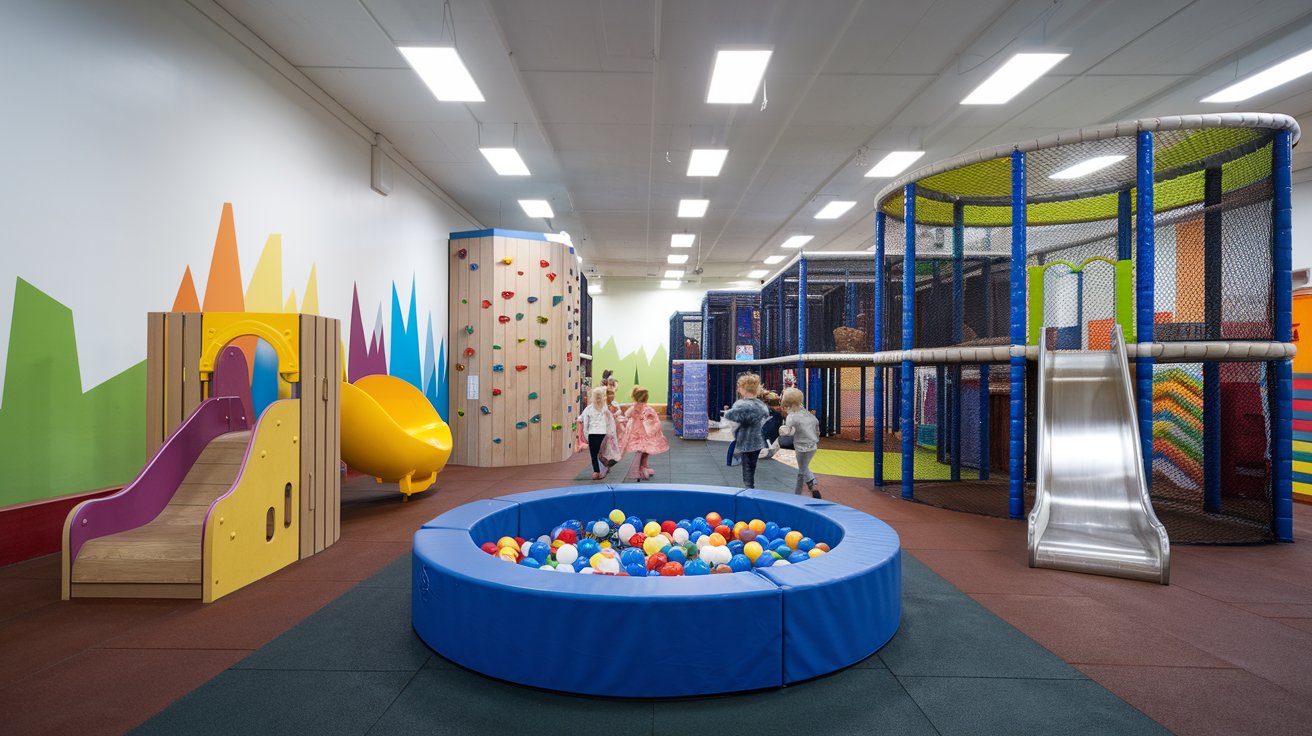
An exceptional indoor playground for kids combines safety, creativity, and age-appropriate challenges to create memorable experiences. The best venues feature multi-level structures with slides, climbing walls, ball pits, and interactive games that encourage physical development and social skills. Modern facilities incorporate technology-enhanced play elements while maintaining traditional favorites that have delighted children for generations.
Safety standards in 2025 require comprehensive padding, rounded edges, and regular equipment inspections to ensure children can explore confidently. Premium indoor playgrounds also provide separate areas for different age groups, allowing toddlers to play safely away from older, more energetic kids while ensuring everyone finds appropriate challenges for their developmental stage.
Essential Safety Features Every Parent Should Look For
Modern indoor playgrounds prioritize child safety through certified equipment, soft-surface flooring, and clear sight lines for parental supervision. Look for facilities with CPSC-compliant structures, antimicrobial surface treatments, and height-appropriate barriers that prevent falls while encouraging exploration and active play.
Age-Appropriate Play Zones and Equipment
The best venues design distinct zones for different developmental stages, from sensory play areas for infants to challenging obstacle courses for school-age children. This thoughtful segmentation ensures every child finds engaging activities that match their physical abilities and interests while promoting safe indoor recreation throughout the year.
What Age Is Appropriate for Indoor Playgrounds
Most indoor playground for kids facilities welcome children from 6 months to 12 years old, with specialized areas designed for specific age ranges. Toddlers aged 1-3 years benefit from soft play structures, sensory walls, and low-height activities that support early motor skill development. Preschoolers aged 3-5 years enjoy more complex climbing structures, imaginative play areas, and interactive games that challenge their growing coordination.
School-age children from 6-12 years thrive in environments with multi-level climbing structures, sports courts, and team-based activities. Many facilities offer teen zones for older kids who still enjoy active play but need more sophisticated challenges. Parents should always check specific age requirements and height restrictions before visiting to ensure their child can safely enjoy all available activities.
Top Indoor Play Ideas and Activities for Kids
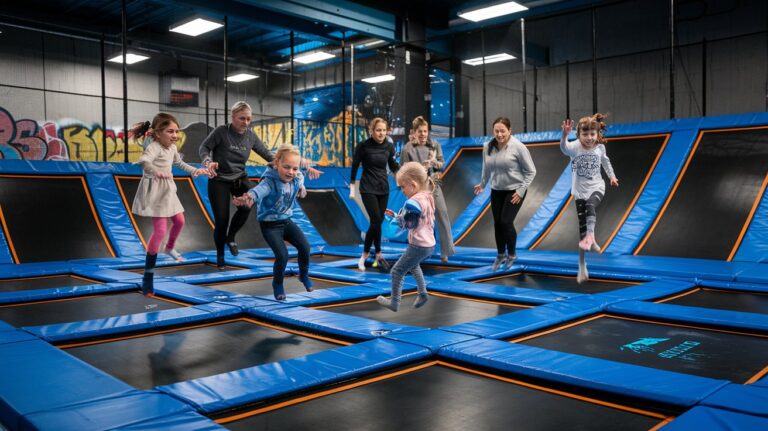
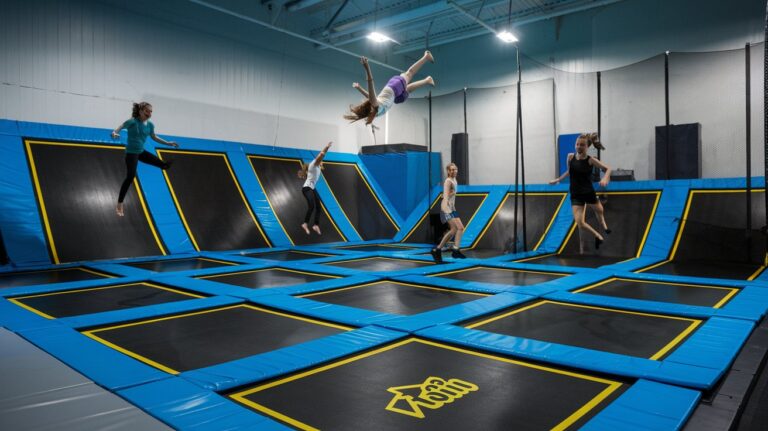
Creative indoor play ideas extend beyond traditional playground equipment to include themed adventure zones, interactive learning stations, and sensory exploration areas. Popular activities include laser tag arenas, trampoline parks integrated with traditional play structures, and maker spaces where kids can engage in hands-on building projects while developing problem-solving skills.
Many venues now feature augmented reality games, digital climbing walls, and interactive floor projections that respond to movement, creating immersive experiences that blend physical activity with technology. Art stations, musical play areas, and dramatic play zones round out offerings, ensuring every child finds activities that spark their imagination and support their developmental needs in a climate-controlled indoor environment.
STEM-Based Interactive Learning Stations
Forward-thinking indoor playgrounds incorporate science, technology, engineering, and math concepts through hands-on exhibits and building challenges. These educational play opportunities help children develop critical thinking skills while having fun, making learning feel like natural exploration rather than structured instruction.
Creative Arts and Imaginative Play Areas
Dedicated spaces for artistic expression and pretend play allow kids to explore creativity through dress-up corners, mini theaters, and craft stations. These areas support emotional development and social skills while providing quieter alternatives to high-energy physical activities within the same indoor facility.
Where to Find the Best Indoor Playgrounds Across America
Major metropolitan areas across the United States offer diverse indoor playground for kids options, from national chains like My Gym and The Little Gym to unique local venues with distinctive themes. Cities like New York, Los Angeles, and Chicago feature multiple locations, while smaller communities often have community center playgrounds or family entertainment complexes with dedicated kids’ areas.
Suburban areas frequently host larger facilities with extensive play structures, party rooms, and additional amenities like cafes for parents. Urban locations may be more compact but often feature innovative design elements that maximize play value in smaller spaces. Research local options through community websites, parenting groups, and review platforms to discover hidden gems in your area.
Planning Your Indoor Playground Visit for Maximum Fun
Strategic planning enhances your indoor playground for kids experience and ensures everyone has an enjoyable time. Visit during off-peak hours for less crowded conditions, typically weekday mornings or early afternoons. Many venues offer special pricing during these times, making it more affordable for families to enjoy extended play sessions without the weekend rush.
Bring socks for everyone, as most facilities require them for hygiene and safety reasons. Pack hand sanitizer, though most modern venues provide sanitizing stations throughout the facility. Consider bringing a change of clothes for younger children who might get messy during active play, and don’t forget to stay hydrated during energetic play sessions.
Best Times to Visit for Different Age Groups
Toddlers and preschoolers often enjoy morning visits when they’re well-rested and facilities are less crowded. School-age kids might prefer afternoon or weekend visits when they can socialize with peers and tackle more challenging activities with higher energy levels throughout their indoor adventure.
What to Pack for a Successful Playground Adventure
Essential items include grip socks, water bottles, hand wipes, and a small first aid kit for minor scrapes. Consider bringing a phone charger since many parents document their children’s play experiences, and pack snacks if the venue allows outside food to maintain energy levels during extended play sessions.
Indoor Playground Birthday Parties and Group Events
Most indoor playground for kids facilities offer comprehensive birthday party packages that handle decorations, food service, and entertainment coordination. These celebrations typically include reserved party areas, dedicated hosts, and access to all play equipment, making them stress-free options for parents who want memorable celebrations without home preparation hassles.
Group rates often apply for school field trips, daycare outings, and family gatherings, with many venues providing educational programming or structured activities for larger groups. Advanced booking is essential, especially during peak seasons and weekends, to secure preferred dates and times for special events.
Health and Hygiene Standards in 2025
Post-pandemic indoor playgrounds maintain elevated cleaning protocols with frequent sanitization of high-touch surfaces, improved air filtration systems, and clearly posted hygiene guidelines. Many facilities now use antimicrobial surface treatments and UV sanitization during off-hours to ensure play equipment remains clean and safe for all children.
Staff training includes health monitoring procedures and emergency response protocols, while parents are encouraged to keep sick kids home to maintain community health. Hand sanitizing stations are strategically placed throughout facilities, and some venues limit capacity during peak times to prevent overcrowding and maintain comfortable play environments.
Special Needs Accessibility and Inclusive Play
Modern indoor playground for kids design increasingly emphasizes universal accessibility, incorporating wheelchair-accessible ramps, sensory-friendly quiet zones, and adaptive equipment that accommodates children with varying abilities. These inclusive environments ensure all children can participate in active play regardless of physical or developmental differences.
Trained staff members understand diverse needs and can assist families in navigating facilities safely and comfortably. Many venues also offer special hours for children with autism or sensory sensitivities, featuring reduced lighting and sound levels to create more comfortable play experiences for sensitive individuals.
Related video about indoor playground for kids
This video complements the article information with a practical visual demonstration.
Most asked questions about indoor playground for kids
What age is appropriate for indoor playgrounds?
Most indoor playgrounds welcome children from 6 months to 12 years old, with separate zones for different age groups. Toddlers (1-3 years) enjoy soft play areas, preschoolers (3-5 years) use climbing structures, and school-age kids (6-12 years) access complex multi-level equipment. Always check specific facility age requirements and height restrictions before visiting.
Where to bring children indoors for active play?
Indoor playgrounds, community recreation centers, children’s museums with play areas, trampoline parks, and family entertainment complexes offer excellent indoor play options. Many shopping malls also feature play areas, while libraries increasingly include interactive children’s spaces for active learning and play.
What to do indoors in Chicago with kids?
Chicago offers numerous indoor attractions including Navy Pier’s Children’s Museum, multiple indoor playground facilities like Monkey Joe’s and pump it up, trampoline parks, bowling alleys with kid-friendly features, and seasonal indoor festivals. The city’s extensive indoor entertainment options ensure year-round family fun regardless of weather conditions.
What are good indoor play ideas for active kids?
Effective indoor play includes obstacle courses, dance parties, indoor scavenger hunts, building fort construction, active video games, yoga or stretching routines, and creative movement activities. Rotate activities every 15-20 minutes to maintain engagement and combine physical movement with imaginative play for optimal development.
How much do indoor playground visits typically cost?
Indoor playground admission ranges from $8-25 per child, depending on location, facility size, and included amenities. Many venues offer family packages, punch cards for frequent visitors, and discounted rates during weekday hours. Birthday party packages typically cost $200-500 depending on guest count and included services.
Are indoor playgrounds safe for toddlers?
Reputable indoor playgrounds maintain strict safety standards with age-appropriate equipment, soft surfaces, rounded edges, and constant supervision areas. Look for CPSC-certified equipment, clear sight lines for parent monitoring, separate toddler zones, and facilities with current safety inspections and insurance coverage.
| Key Aspect | Important Details | Benefit |
|---|---|---|
| Age-Appropriate Design | Separate zones for 6 months-12 years | Safe play for all developmental stages |
| Safety Standards | CPSC-certified equipment, soft surfaces | Reduced injury risk, parent confidence |
| Year-Round Availability | Climate-controlled indoor environment | Consistent play opportunities regardless of weather |
| Educational Integration | STEM activities, creative arts stations | Learning through active play experiences |
| Social Development | Group play opportunities, party hosting | Enhanced communication and cooperation skills |