What to Expect Skydiving: Complete First-Timer’s Guide 2025
Skydiving for the first time is an incredible experience that combines adrenaline, fear, and pure exhilaration. If you’re wondering what to expect skydiving, you’re about to embark on a life-changing adventure that over 3.3 million Americans experienced in 2024. From the initial nervousness to the euphoric freefall, understanding what happens during your first time skydiving will help you prepare mentally and physically for this ultimate thrill.
Pre-Jump Preparation and What to Bring
Your skydiving experience begins long before you leave the aircraft. Most drop zones in the United States require you to arrive at least 30 minutes early for check-in and paperwork. You’ll need to bring a valid government-issued photo ID and wear comfortable, weather-appropriate clothing. Avoid loose items like jewelry, and ensure your shoes are securely fastened. The skydiving rules and regulations in the US are strict about personal items, so leave valuables at home or in your car.
Understanding what to bring is crucial for a smooth experience. Most facilities provide jumpsuits, goggles, and helmets, but you should wear closed-toe shoes and avoid sandals or boots that might fall off. Many first-timers ask about cameras – while you can’t bring your own recording device for safety reasons, professional videographers are available to capture your skydiving for beginners experience for an additional fee ranging from $100-200 at most US drop zones.
Safety Briefing and Training Requirements
Every first time skydiving experience in the United States begins with a comprehensive safety briefing lasting 15-30 minutes. Your certified instructor will explain proper body positioning during freefall, landing procedures, and emergency protocols. The skydiving rules safety rules are standardized by the United States Parachute Association (USPA), ensuring consistent safety standards across all certified drop zones. You’ll learn the arch position – arms extended, legs bent, and head up – which is essential for stable freefall.
During training, instructors emphasize communication signals used during the jump. Understanding these skydiving rules and regulations is mandatory before any tandem jump. You’ll practice the proper landing position where you lift your legs up and let your tandem instructor handle the touchdown. This briefing also covers what happens if you experience motion sickness or panic during the jump, providing reassurance for nervous first-timers about what to expect skydiving.
Weight Limits and Physical Requirements
Most US drop zones have skydiving rules weight limits ranging from 220-240 pounds for tandem jumps, though some facilities accommodate up to 260 pounds with additional fees. These weight restrictions exist for safety reasons and equipment limitations. Age requirements typically start at 18 years old, though some states allow 16-17 year olds with parental consent. Physical fitness requirements are minimal – you need to be able to walk, bend your knees, and lift your legs for landing.
Medical conditions that may disqualify you include recent surgeries, heart conditions, seizure disorders, or pregnancy. The waiver you sign includes detailed health questions, and instructors reserve the right to refuse jumps based on safety concerns. Understanding these skydiving rules and regulations beforehand prevents disappointment on jump day. Most facilities also have backup weight limits for equipment, so calling ahead to confirm your eligibility for what to expect skydiving is recommended.
The Aircraft Ride and Mental Preparation
The journey to altitude in the aircraft provides 15-20 minutes to mentally prepare for your jump. Most drop zones use Cessna aircraft or larger planes that climb to 10,000-15,000 feet. During this ascent, you’ll be harnessed to your tandem instructor and can observe the landscape shrinking below. Many first-timers experience increasing nervousness during this phase, which is completely normal when considering what to expect skydiving for beginners.
Your instructor will perform equipment checks and communicate with you throughout the ride. The aircraft becomes noticeably colder as you gain altitude, and you might feel your ears pop due to pressure changes. This is an excellent time to practice deep breathing exercises and remind yourself why you decided to try skydiving for beginners. The view from altitude is spectacular, offering perspectives of your local area you’ve never seen before, helping to shift focus from anxiety to excitement.
The Exit and Freefall Experience
Exiting the aircraft is often the most terrifying moment for first-time skydivers. Your tandem instructor will position you at the door, and the ground appears impossibly far below. The exit happens quickly – within 3 seconds you’ll go from sitting in the aircraft to freefalling at 120 mph. The initial sensation isn’t like falling from a height but rather like flying or floating on an invisible cushion of air. This is the moment when understanding what to expect skydiving becomes reality.
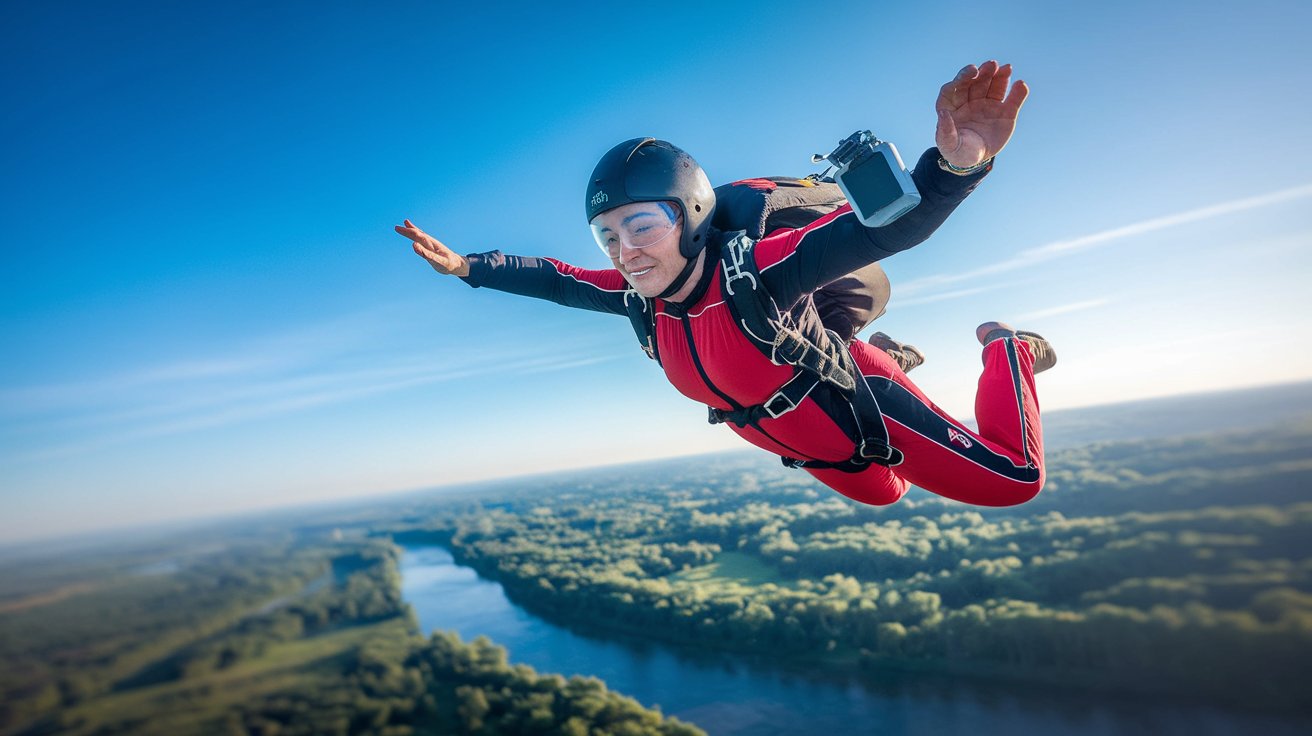
Freefall typically lasts 45-60 seconds from 13,000 feet, providing an unparalleled rush of adrenaline. The wind noise is intense, making verbal communication impossible, but the sensation is indescribable. Many first-timers report that the fear completely disappears once in freefall, replaced by pure exhilaration. Your body quickly adapts to the sensation, and the skydiving for beginners experience transforms from terror to the ultimate natural high. Professional videographers capture this moment, creating lasting memories of your courage.
Parachute Deployment and Canopy Ride
Parachute deployment occurs around 5,000 feet and creates a dramatic change in your skydiving experience. The sudden deceleration feels like being pulled upward, though you’re actually slowing from 120 mph to about 15 mph in just a few seconds. This transition can be jarring initially, but most people quickly adjust to the gentler descent under canopy. The harness may feel tight temporarily as your weight shifts from horizontal to vertical positioning.
The canopy ride lasts 5-7 minutes and offers spectacular panoramic views of the landscape below. Your tandem instructor will likely perform gentle turns and spirals, demonstrating the parachute’s maneuverability. This peaceful portion of what to expect skydiving provides time to process the incredible experience you’ve just had. Many first-timers report this as their favorite part, as the initial adrenaline subsides and you can truly appreciate the bird’s-eye view and sense of accomplishment.
Landing Procedures and Safety Protocols
Landing is generally smooth when proper procedures are followed. Your instructor will guide the parachute toward the designated landing area, typically a large open field. As you approach the ground, you’ll be instructed to lift your legs up and keep them elevated until touchdown. The instructor handles all steering and flare timing to ensure a safe landing. Most tandem landings are so gentle that you can walk away immediately, though some result in sliding a few feet on your bottom.
Landing areas at certified US drop zones are specifically chosen for safety, featuring soft grass or sand surfaces away from obstacles. The final approach happens quickly, so following your instructor’s commands is crucial for a safe touchdown. After landing, the parachute will be gathered and secured while you process the incredible experience. Understanding these skydiving rules safety rules ensures your first jump concludes as safely as it began, completing your first time skydiving adventure successfully.
Common Physical Reactions and What’s Normal
Many first-time skydivers wonder about physical reactions during their jump. It’s completely normal to experience increased heart rate, sweating, and butterflies in your stomach before jumping. Some people worry about what to expect skydiving regarding nausea, but motion sickness is relatively rare during tandem jumps. The freefall sensation doesn’t typically trigger the stomach-drop feeling you might expect, as there’s no reference point for falling once you’re in the air.
Ear pressure changes are common due to altitude, similar to flying in commercial aircraft. Chewing gum or yawning helps equalize pressure during the ascent and descent. Some jumpers experience temporary hearing muffling immediately after landing, which typically resolves within minutes. Adrenaline effects can last several hours post-jump, including elevated energy, slight shakiness, or difficulty sleeping that night – all normal responses to the incredible rush of skydiving for beginners.
Weather Conditions and Jump Cancellations
Weather plays a crucial role in skydiving safety rules and can significantly impact your jump day experience. US drop zones typically operate in clear conditions with winds under 20 mph at ground level and minimal cloud cover below jump altitude. Rain, thunderstorms, and high winds result in automatic cancellations for safety reasons. Cloud layers can prevent jumps even when ground conditions appear perfect, as pilots need clear visibility throughout the entire descent.
Understanding weather-related cancellations helps manage expectations for your first time skydiving experience. Most facilities allow rescheduling without penalty for weather cancellations, though busy seasons may require flexibility with dates. Morning jumps often have better weather conditions than afternoon sessions, particularly during summer months when afternoon thunderstorms are common in many US regions. Checking weather forecasts and calling ahead can prevent unnecessary trips to the drop zone on marginal days.
Cost Breakdown and What’s Included
Tandem skydiving costs in the United States typically range from $200-400 depending on altitude, location, and included services. Most packages include the tandem jump, equipment rental, training, and instruction. Additional costs often include video/photo packages ($100-200), certificate of completion ($20-30), and tips for instructors. Understanding the full cost structure helps budget appropriately for your skydiving for beginners experience.
Some facilities offer package deals for groups or multiple jumps that can reduce per-person costs. Weekend and holiday pricing is typically higher than weekday rates. Payment is usually required in advance, with some facilities accepting payment on jump day. Insurance coverage varies by location, and most require signing comprehensive waivers. Researching what to expect skydiving costs helps avoid surprises and ensures you budget appropriately for this once-in-a-lifetime experience.
Post-Jump Experience and Next Steps
After completing your first tandem jump, most people experience an incredible natural high that can last hours or even days. The sense of accomplishment from conquering such a significant fear is profound and often life-changing. Many first-timers immediately want to book their next jump or begin training for solo skydiving licenses. This enthusiasm is normal and speaks to the addictive nature of the sport that has captured millions of Americans.
If you’re considering pursuing skydiving for beginners further, the next step would be Accelerated Freefall (AFF) training, which leads to solo jumping certification. This process typically requires 7-8 jumps with gradually increasing independence from instructors. Many drop zones offer discounts for returning customers or package deals for multiple jumps. The skills and confidence gained from understanding what to expect skydiving on your first jump provide an excellent foundation for potential future adventures in this incredible sport.
Related video about what to expect skydiving
This video complements the article information with a practical visual demonstration.
Important things to know about what to expect skydiving
How likely is it to pass out while skydiving?
Passing out during skydiving is extremely rare, occurring in less than 1% of tandem jumps. The rush of adrenaline and excitement typically keeps jumpers alert and conscious throughout the experience. Most people who worry about fainting find that their fear disappears once in freefall, replaced by exhilaration and focus on the incredible experience unfolding around them.
What should you not do before skydiving?
Avoid drinking alcohol 24 hours before jumping, as most facilities test for alcohol and will refuse service. Don’t eat a heavy meal within 2 hours of jumping to prevent nausea, but also don’t jump on a completely empty stomach. Avoid taking sedatives or anxiety medications, and don’t schedule important activities immediately after your jump as adrenaline effects can last several hours.
What does it feel like to skydive for the first time?
First-time skydiving feels like an intense combination of terror and exhilaration. The initial exit from the aircraft is terrifying, but within seconds most people experience pure joy and freedom. Freefall doesn’t feel like falling but rather like flying or floating on a cushion of air at 120 mph. The sensation is indescribable and often described as life-changing by first-timers.
What is the riskiest part of skydiving?
Statistically, the aircraft ride to altitude poses more risk than the actual skydiving portion. Modern tandem skydiving has an excellent safety record with approximately 1 fatality per 500,000 jumps according to USPA data. Equipment malfunctions are rare due to rigorous packing procedures and backup systems, while landing incidents are typically minor and result from improper body positioning.
Can I bring my own camera while skydiving?
First-time tandem skydivers are not allowed to bring personal cameras or recording devices due to safety regulations. Loose objects can become dangerous projectiles during freefall and landing. Professional videographers and photographers are available at most drop zones to capture your experience safely, typically costing $100-200 for video and photo packages.
What are the weather requirements for skydiving?
Skydiving requires clear visibility, winds under 20 mph at ground level, and minimal cloud cover below jump altitude. Rain, thunderstorms, and high winds result in automatic cancellations for safety. Cloud layers can prevent jumps even when ground conditions appear perfect, as pilots need clear visibility throughout the entire descent for safe operations.
| Jump Phase | Duration | What to Expect |
|---|---|---|
| Pre-Jump Training | 15-30 minutes | Safety briefing, body positioning, landing procedures |
| Aircraft Ascent | 15-20 minutes | Mental preparation, equipment checks, spectacular views |
| Freefall | 45-60 seconds | 120 mph descent, ultimate adrenaline rush |
| Canopy Ride | 5-7 minutes | Peaceful descent, panoramic views, gentle turns |
| Landing | Few seconds | Soft touchdown, immediate sense of accomplishment |