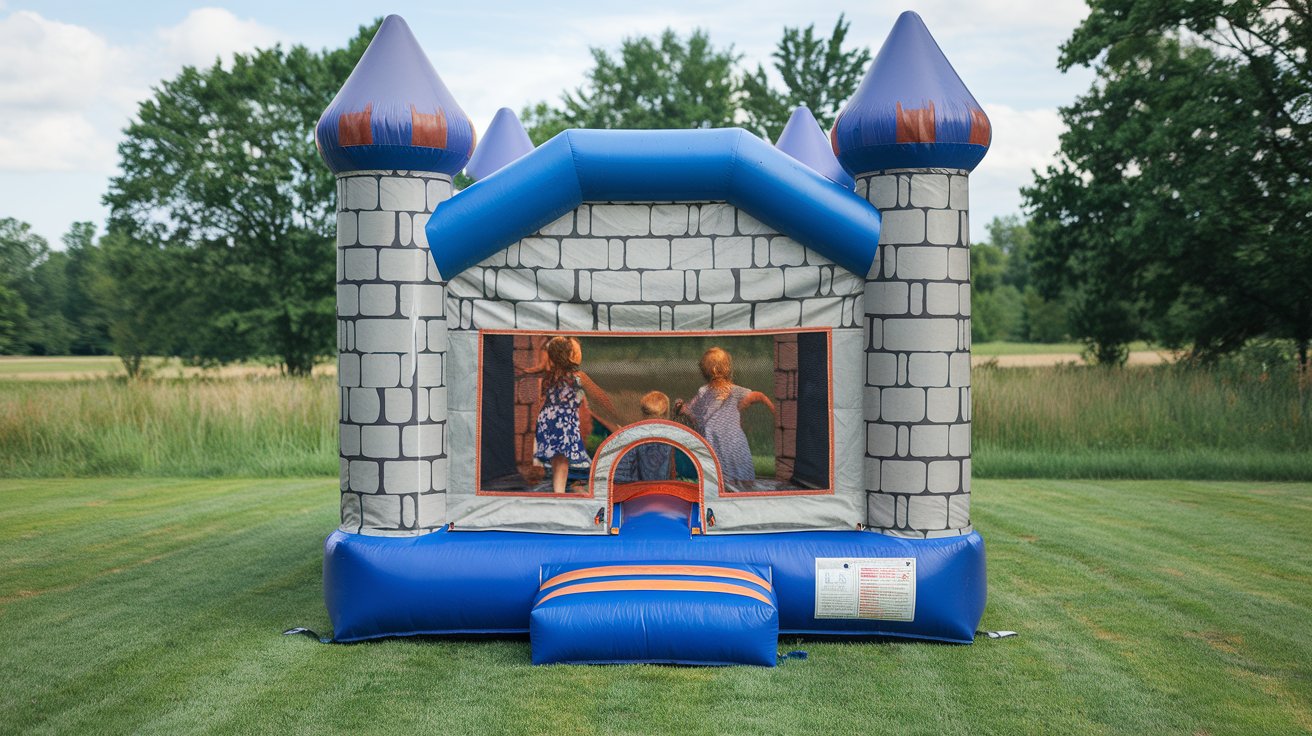
Bounce House Safety Features: Complete Protection Guide 2025
Understanding bounce house safety features is crucial for preventing the approximately 30 bounce house-related injuries that occur daily across the United States. Modern inflatable safety equipment incorporates multiple protection systems including reinforced anchor points, emergency deflation systems, and weather monitoring capabilities that significantly reduce accident risks when properly implemented.
Critical Safety Statistics You Need to Know
Recent data from the Consumer Product Safety Commission reveals that bounce house deaths per year have decreased by 40% since 2020 due to improved safety standards and awareness. Emergency room visits related to inflatable injuries peaked at 11,200 cases in 2023, with 75% involving children under 12 years old. The most common injuries include fractures, sprains, and concussions, primarily occurring during collisions between users or falls from the bouncy castle entrance.
Wind-related incidents account for 23% of all bounce house risk scenarios, making weather monitoring systems essential safety features. Professional operators report that proper safety rules implementation reduces incident rates by up to 80%, highlighting the importance of comprehensive safety protocols for both indoor and outdoor installations.
Essential Safety Features to Look For
Modern bounce house safety features include reinforced stitching with quadruple-reinforced stress points that can withstand forces up to 2,000 pounds per square inch. Safety netting systems feature flame-retardant materials meeting CPAI-84 standards, while entrance ramps incorporate anti-slip surfaces and safety handles for secure access. High-quality units include continuous air monitoring systems that alert operators to pressure changes exceeding 10% of optimal levels.
Advanced inflatable safety equipment incorporates quick-release anchor systems, emergency deflation capabilities, and integrated weather monitoring sensors. Professional-grade units feature reinforced anchor points tested to withstand winds up to 25 mph, while emergency shut-off systems can deflate units within 60 seconds during critical situations.
Indoor Bounce House Safety Features
Indoor bounce house safety features focus on ceiling clearance sensors, HVAC compatibility systems, and fire-retardant materials certified for indoor use. Modern indoor units include low-noise blower systems operating below 70 decibels and integrated air filtration systems that cycle fresh air every 90 seconds, ensuring optimal air quality for extended play sessions.
Outdoor Bounce House Safety Features
Outdoor bounce house safety features emphasize weather resistance, UV protection, and ground anchoring systems. Premium outdoor units incorporate solar-powered monitoring systems, automatic rain sensors that trigger deflation protocols, and reinforced materials rated for temperature extremes from -10°F to 120°F while maintaining structural integrity.
Setup and Installation Safety Guidelines
Proper setup begins with site evaluation, requiring minimum clearance of 6 feet on all sides and overhead space exceeding the unit’s height by 3 feet. Ground preparation involves removing debris within a 20-foot radius and establishing level surfaces with maximum grade variations of 2 inches. Professional installation teams use digital levels and measuring tools to ensure compliance with manufacturer specifications and local safety rules.
Electrical safety protocols mandate GFCI-protected outlets within 100 feet of the setup location, with backup power systems recommended for critical applications. Anchor systems must penetrate ground surfaces to minimum depths of 18 inches for stakes or utilize water-filled barriers weighing at least 40 pounds per anchor point for hard surfaces.
Location Requirements
Site selection prioritizes flat, debris-free areas with adequate drainage and protection from prevailing winds. Professional operators maintain minimum distances of 10 feet from structures, trees, and overhead obstacles, while ensuring emergency vehicle access within 50 feet of the installation. Bounce house safety protocols require visible sight lines from supervision areas to all bounce surfaces.
Weather Considerations
Weather monitoring systems track wind speeds, precipitation, and temperature variations using digital anemometers and integrated weather stations. Operations cease when sustained winds exceed 20 mph or gusts reach 25 mph, following industry safety rules established by the International Association of Amusement Parks and Attractions. Temperature thresholds maintain operation between 40°F and 100°F for optimal material performance.
Operating Safety Standards and Best Practices
Professional bounce house safety rules limit simultaneous users based on age groups and unit capacity, typically allowing 6-8 children under 100 pounds or 4-6 children over 100 pounds per 150 square feet of bounce area. Supervision ratios maintain one trained attendant per 12 children, with additional staffing required for units exceeding 500 square feet or when accommodating mixed age groups.
Operational protocols include regular safety inspections every 30 minutes, documentation of weather conditions hourly, and immediate response procedures for medical emergencies. Safety rules prohibit food, drinks, shoes, jewelry, and sharp objects within bounce areas, while enforcing single-direction traffic patterns at entrance and exit points.
Age-Appropriate Safety Measures
Research indicates that bounce houses are safe for 2 year olds when specific safety modifications are implemented, including reduced bounce pressure settings and dedicated toddler-only time slots. Separate bounce areas for different age groups prevent size disparities that contribute to 65% of collision-related injuries, while soft-play attachments provide age-appropriate alternatives for children under 36 months.
Safety protocols for mixed-age events include time-rotation systems, physical barriers between age zones, and enhanced supervision with specialized training in toddler safety management. Professional operators implement bounce house safety rules that separate users by weight categories rather than age alone, creating safer play environments for all participants.
Toddler-Specific Safety Features
Toddler-focused inflatable safety features include lower wall heights under 4 feet, padded floor surfaces with extra cushioning, and gentler bounce characteristics achieved through modified air pressure settings. Specialized toddler units incorporate parent viewing windows, easy-access entrances without climbing requirements, and integrated seating areas for adult supervision.
Teen and Adult Safety Considerations
Adult-rated bounce houses feature reinforced construction supporting weights up to 250 pounds per user and enhanced structural engineering to accommodate higher-impact activities. Commercial-grade units designed for teen and adult use incorporate professional-grade materials, increased anchor point density, and specialized safety rules addressing size and strength disparities among users.
Emergency Preparedness and Response
Comprehensive emergency response plans address medical incidents, weather emergencies, and equipment failures through documented protocols and staff training programs. Professional operators maintain first aid certification, emergency communication systems, and direct contacts with local emergency services. Response procedures include immediate area evacuation, medical assessment protocols, and incident documentation requirements for insurance and regulatory compliance.
Emergency equipment includes automated external defibrillators (AEDs), comprehensive first aid kits, emergency communication devices, and rapid deflation systems. Bounce house safety standards require evacuation capabilities within 2 minutes and complete deflation within 5 minutes during critical weather events or structural emergencies.
Essential Emergency Procedures
Emergency protocols prioritize user safety through immediate area clearing, medical response activation, and equipment stabilization procedures. Trained staff implement standardized emergency signals, coordinate with emergency medical services, and maintain detailed incident logs for regulatory compliance and insurance documentation. Safety rules require regular emergency drill exercises and staff certification updates every six months.
Equipment Failure Response
Equipment failure responses include immediate power disconnection, controlled deflation procedures, and user evacuation protocols designed to minimize injury risk during mechanical emergencies. Professional operators maintain backup blower systems, emergency repair kits, and direct communication with equipment manufacturers for technical support and replacement part availability.
Insurance and Risk Management
Bounce house risk insurance requirements vary by state but typically mandate general liability coverage starting at $1 million per occurrence for commercial operations. Professional operators carry additional coverage including product liability, property damage, and business interruption insurance to protect against comprehensive risk scenarios. Insurance providers increasingly require documented safety training, regular equipment inspections, and compliance with industry safety standards.
Risk management strategies incorporate regular safety audits, equipment maintenance schedules, and staff training programs that reduce insurance premiums by up to 30%. Professional associations provide bounce house safety certification programs that demonstrate commitment to industry best practices and regulatory compliance, often resulting in preferred insurance rates and enhanced coverage options.
Related video about bounce house safety features
This video complements the article information with a practical visual demonstration.
Most asked questions about bounce house safety features
How safe are bounce houses?
Bounce houses are statistically safe when proper safety features and protocols are followed, with injury rates of approximately 0.3% of users. Modern units incorporate reinforced construction, safety netting, and emergency systems that reduce serious injury risks by 80% compared to older equipment. Professional supervision and adherence to manufacturer guidelines further minimize accident potential.
What are the rules for inflatable safety?
Inflatable safety rules include maximum user capacity limits, age-appropriate grouping, constant adult supervision, removal of shoes and sharp objects, and immediate evacuation during weather warnings. Professional operations require trained attendants, regular safety inspections, proper anchoring systems, and emergency response procedures. Wind speed limits of 20 mph and temperature restrictions between 40-100°F ensure safe operating conditions.
How to secure a bounce house?
Proper bounce house securing requires ground stakes penetrating 18 inches minimum or water-filled anchor weights of 40+ pounds per point on hard surfaces. Professional installations use 6-8 anchor points for standard residential units, with additional anchoring for larger commercial equipment. Regular tension checks and weather monitoring ensure continued stability throughout operation.
Are bounce houses safe for 2 year olds?
Bounce houses can be safe for 2-year-olds with appropriate modifications including reduced bounce pressure, dedicated toddler time slots, enhanced adult supervision, and specialized equipment designed for smaller children. Toddler-specific safety features include lower walls, gentler bounce characteristics, and separate play areas to prevent collisions with larger children. Constant parent supervision within the bounce area is recommended for children under 3.
What safety features should I look for?
Essential safety features include reinforced stitching, flame-retardant materials, safety netting, non-slip entrance ramps, emergency deflation systems, and weather monitoring capabilities. Professional-grade units feature continuous air monitoring, quick-release anchors, and integrated safety shut-offs. Indoor units should include ceiling clearance sensors and air filtration, while outdoor models need UV protection and weather-resistant construction.
How often do bounce house injuries occur?
Bounce house injuries occur in approximately 11,200 cases annually in the United States, with most being minor sprains and bruises. Serious injuries represent less than 5% of incidents, typically involving falls from entrances or collisions between users. Proper safety implementation, including age separation and supervision, reduces injury rates by up to 85% compared to unsupervised operation.
| Safety Feature | Key Requirements | Safety Benefit |
|---|---|---|
| Reinforced Anchoring | 6-8 points, 18″ depth minimum | Prevents wind displacement |
| Safety Netting | CPAI-84 certified, flame-retardant | Contains users safely |
| Emergency Deflation | 60-second complete deflation | Rapid crisis response |
| Weather Monitoring | 20 mph wind limit protocol | Prevents weather injuries |
| Age Separation | Weight-based grouping system | Reduces collision injuries |