Best Residential Bounce House 2025: Top Picks & Buying Guide
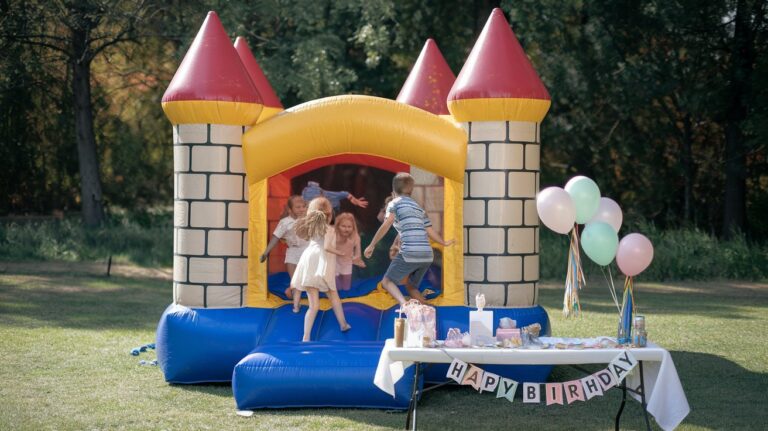
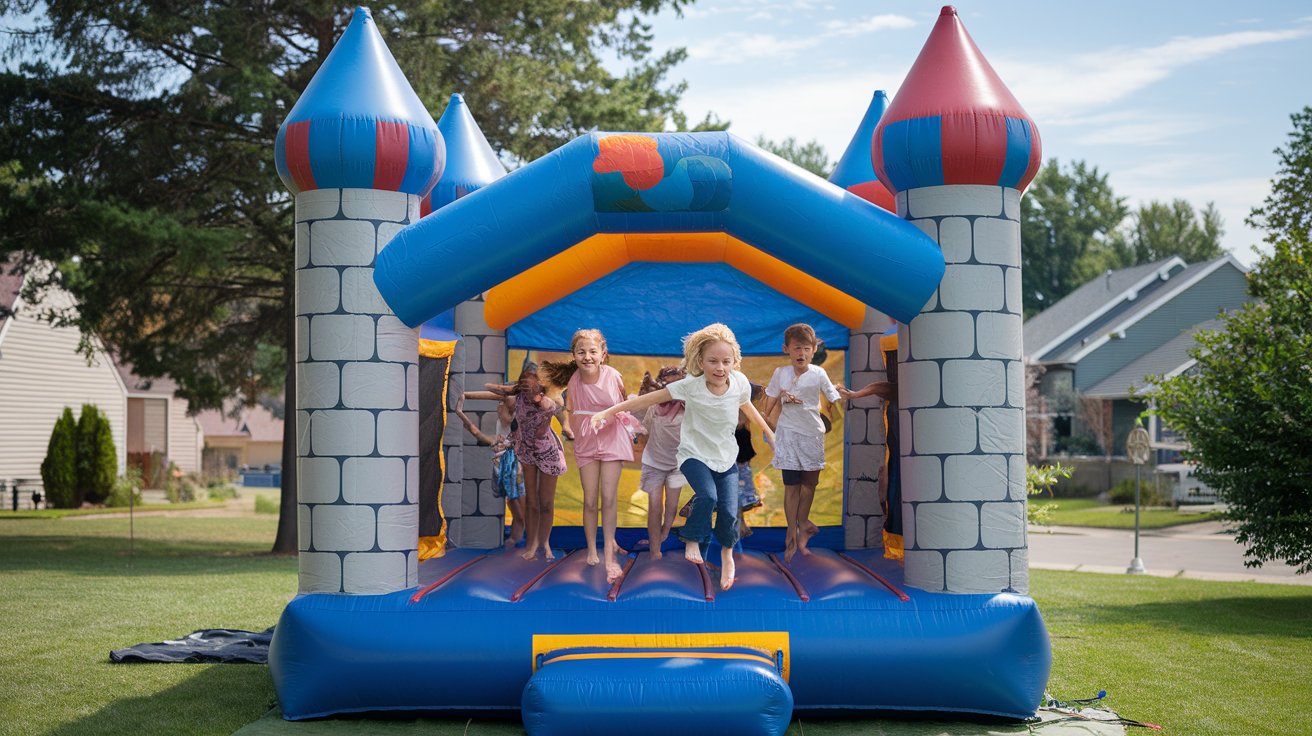
Finding the best residential bounce house transforms your backyard into an entertainment paradise for children and adults alike. With countless options available in 2025, selecting the perfect inflatable requires careful consideration of safety features, durability, size, and age-appropriate designs. This comprehensive guide reviews top-performing residential bounce houses, helping American families make informed decisions for year-round backyard fun.
Top-Rated Residential Bounce Houses for 2025
The current market offers exceptional bounce houses for sale that cater to various family needs and budgets. Leading manufacturers have significantly improved materials and safety features, making residential units more durable and weather-resistant than previous generations. Modern bounce houses incorporate reinforced seams, commercial-grade vinyl, and enhanced anchoring systems that meet strict American safety standards.
Consumer testing in 2024-2025 reveals that the most popular residential models combine multiple activities including jumping areas, climbing walls, and water features. These multi-functional designs provide best residential bounce house for the money value by offering diverse entertainment options within a single structure. Premium models now feature UV-resistant materials that maintain vibrant colors and structural integrity through multiple seasons of outdoor use.
Little Tikes Jump ‘n Slide Bouncer – Best for Toddlers
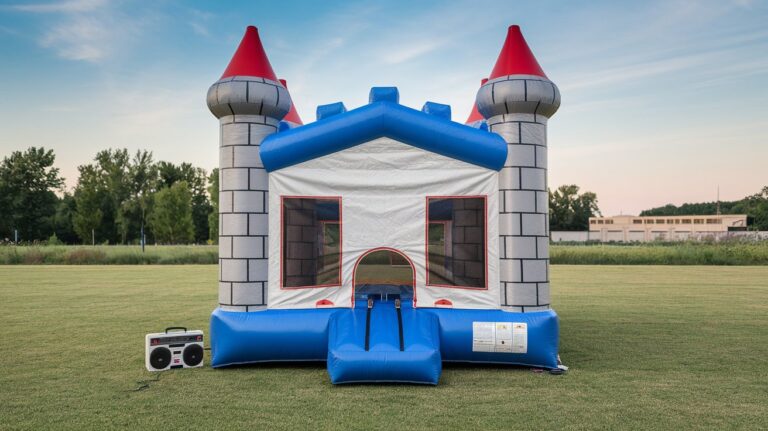
The Little Tikes Jump ‘n Slide Bouncer stands out as the best residential bounce house for toddlers, accommodating children ages 3-8 with a 250-pound weight capacity. This compact unit measures 9x9x7 feet, making it ideal for smaller backyards while providing ample jumping space for young children. The integrated slide feature adds extra entertainment value, and the enclosed design ensures maximum safety for active toddlers.
Bountech Inflatable Water Slide – Premium Water Feature
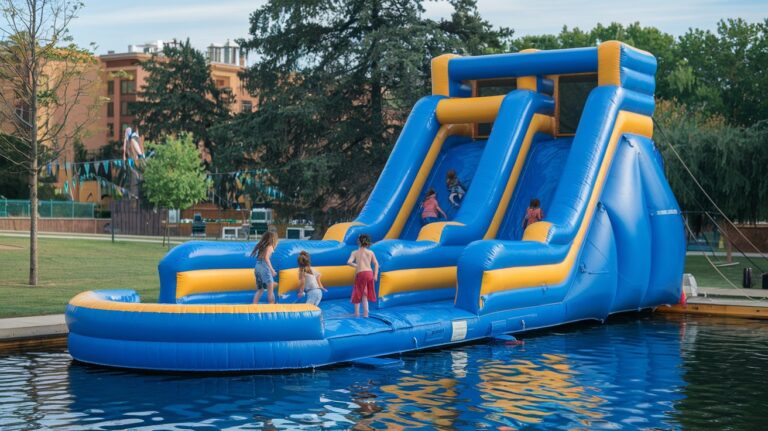
For families seeking water-based entertainment, the Bountech Inflatable Water Slide represents the pinnacle of residential bounce house with slide technology. This impressive structure combines a large bouncing area with a thrilling water slide, creating the ultimate backyard water park experience. The dual-function design accommodates up to 6 children simultaneously, with a 600-pound total weight capacity that ensures safe play for multiple users.
Adult-Friendly Residential Bounce Houses
The growing demand for best residential bounce house for adults has sparked innovation in heavy-duty construction and larger dimensions. Adult-rated bounce houses feature reinforced flooring, higher weight capacities (typically 800-1500 pounds), and enhanced stability systems that accommodate grown-up play safely. These units serve dual purposes, entertaining children during the day and providing unique party experiences for adult gatherings.
Professional-grade materials used in adult bounce houses include 18-20 oz PVC vinyl, compared to the 12-15 oz materials in standard children’s models. This construction difference significantly impacts durability and longevity, making adult models worthwhile investments for families who plan regular entertainment. Many adult-friendly models incorporate basketball hoops, obstacle courses, and competitive elements that enhance social interaction during gatherings.
Installation and Setup Considerations
Modern residential bounce houses are surprisingly easy to set up, with most models inflating completely within 3-5 minutes using included electric blowers. The setup process requires minimal tools and can typically be completed by two adults following straightforward instructions. Proper ground preparation involves clearing debris, ensuring level surfaces, and providing adequate clearance from structures, trees, and power lines.
Professional installation tips recommend measuring available space carefully before purchase, as best residential bounce houses require additional perimeter space for safety anchoring and emergency access. Most residential units need 6-8 feet of clearance on all sides, with overhead clearance of at least 15 feet. Electrical requirements include standard 110V outlets within 50 feet of the installation site, though extension cord use should follow manufacturer specifications for safety.
Safety Features and Maintenance Requirements
Contemporary residential bounce houses incorporate advanced safety features that significantly reduce injury risks compared to older models. Essential safety elements include reinforced netting walls, padded entrance ramps, and secure anchor point systems that withstand wind loads up to 25 mph. Quality manufacturers provide comprehensive safety guidelines and regular maintenance schedules to ensure optimal performance and user protection.
Routine maintenance for bounce houses for sale involves regular cleaning with mild soap solutions, thorough drying before storage, and periodic inspection of seams, anchors, and electrical components. Proper storage in climate-controlled environments extends equipment life significantly, with well-maintained units lasting 5-8 years under normal residential use conditions. Annual professional inspections are recommended for heavily used units to identify potential issues before they compromise safety.
Weather Protection and Seasonal Use
Advanced weather protection features allow year-round enjoyment of residential bounce houses in most American climates. UV-resistant materials prevent fading and deterioration from sun exposure, while waterproof construction enables safe use during light rain conditions. However, usage restrictions apply during severe weather, including thunderstorms, high winds above 20 mph, and temperatures below 32°F to prevent material damage.
Storage Solutions and Space Management
Efficient storage systems are crucial for maintaining best residential bounce house investments. Most models fold into compact bundles requiring 8-12 cubic feet of storage space, making garage or basement storage feasible for typical households. Specialized storage bags with ventilation panels prevent moisture buildup and mildew formation during extended storage periods, particularly important in humid climates.
Cost Analysis and Value Comparison
Residential bounce house pricing in 2025 ranges from $200 for basic toddler models to $2,500 for premium adult-rated units with multiple features. When comparing costs against bounce house rental services, families who use inflatables more than 8-10 times annually typically achieve better value through ownership. Rental costs average $150-400 per day, making purchase economically advantageous for regular users.
Hidden costs associated with ownership include electricity for blower operation (approximately $2-4 per hour), storage solutions, and periodic maintenance supplies. However, the convenience of immediate availability and unlimited usage time often justifies these ongoing expenses. Insurance considerations may apply for homeowners, though most standard policies cover personal recreational equipment without additional premiums.
Popular Features and Upgrade Options
Modern residential bounce houses offer numerous upgrade options that enhance entertainment value and user experience. Popular features include integrated sound systems, LED lighting for evening use, and modular expansion capabilities that allow connecting multiple units. Water features remain highly sought after, with misting systems and splash pools providing cooling relief during hot summer months.
Customization options available from specialty manufacturers include personalized graphics, themed designs, and branded elements for special events. These premium features can increase costs by 30-50% but provide unique experiences that justify the investment for families prioritizing distinctive entertainment options. Best bounce houses for adults frequently incorporate competitive elements like timed obstacle courses and dual-lane racing slides.
Technology Integration and Smart Features
Cutting-edge residential bounce houses now integrate smart technology including automatic inflation monitoring, mobile app controls, and safety sensor systems. These innovations provide real-time status updates, maintenance reminders, and usage tracking that optimize performance and safety. Premium models feature Bluetooth connectivity for music streaming and programmable LED light shows synchronized with audio entertainment.
Accessory Packages and Add-On Components
Comprehensive accessory packages enhance the best residential bounce house experience through complementary equipment and safety gear. Standard packages include repair kits, additional stakes, storage bags, and cleaning supplies. Premium accessories encompass basketball hoops, climbing wall attachments, and interchangeable themed panels that transform appearance for different occasions and celebrations.
Regional Considerations for American Buyers
Geographic location significantly impacts residential bounce house selection and usage patterns across the United States. Northern regions require enhanced cold-weather storage solutions and may benefit from indoor-compatible models during winter months. Southern climates demand superior UV protection and heat-resistant materials to withstand intense sun exposure and high temperatures exceeding 100°F.
Local regulations vary significantly between municipalities, with some areas requiring permits for large residential inflatables or imposing noise restrictions during specific hours. Homeowner association rules often address bounce house usage, size limitations, and storage requirements. Researching local guidelines prevents compliance issues and ensures peaceful neighborhood relationships while enjoying backyard entertainment systems.
Related video about best residential bounce house
This video complements the article information with a practical visual demonstration.
Questions & Answers
What is the average lifespan of a residential bounce house?
A well-maintained residential bounce house typically lasts 5-8 years under normal usage conditions. Factors affecting lifespan include material quality, frequency of use, storage conditions, and maintenance consistency. Premium models with commercial-grade materials may last 8-10 years, while budget options typically provide 3-5 years of service. Proper cleaning, storage, and seasonal maintenance significantly extend equipment life.
How much space do I need for a residential bounce house?
Most residential bounce houses require the unit’s footprint plus 6-8 feet of clearance on all sides for safety. A typical 15×15 foot bounce house needs approximately 27×27 feet of total yard space. Overhead clearance should be at least 15 feet from trees, power lines, and structures. Consider access paths for setup and emergency situations when planning placement in your yard.
Are residential bounce houses safe for adults?
Yes, when properly designed for adult use. Adult-rated bounce houses feature higher weight capacities (800-1500 pounds), reinforced construction, and enhanced stability systems. Key safety factors include following manufacturer weight limits, supervising usage, avoiding overcrowding, and ensuring proper setup and anchoring. Adults should remove sharp objects and follow all safety guidelines to prevent injuries.
What maintenance is required for residential bounce houses?
Regular maintenance includes cleaning with mild soap after each use, thorough drying before storage, and monthly inspection of seams, anchors, and blower components. Apply vinyl cleaner quarterly and check for punctures or wear spots. Store in dry, temperature-controlled environments and perform annual professional inspections for heavily used units. Proper maintenance prevents costly repairs and extends equipment life.
Can I use a residential bounce house in winter?
Winter usage depends on your climate and specific model capabilities. Most residential bounce houses function safely in temperatures above 32°F, but materials become less flexible in cold weather. Snow and ice create slip hazards and potential damage. Many families store units during winter months and resume use in spring. Some manufacturers offer cold-weather modifications for year-round use in moderate climates.
Is buying better than renting a bounce house?
Purchasing becomes cost-effective if you plan to use the bounce house more than 8-10 times annually. Rental costs average $150-400 per day, while quality residential models range from $300-2500. Ownership provides unlimited usage, immediate availability, and long-term value for active families. Consider your usage frequency, storage space, and maintenance capabilities when deciding between buying and renting.
| Key Aspect | Important Details | Benefit |
|---|---|---|
| Safety Features | Reinforced netting, padded entrances, secure anchoring systems | Reduces injury risk and ensures safe play for all ages |
| Material Quality | 18-20 oz PVC vinyl, UV-resistant construction, commercial-grade seams | Extended lifespan of 5-8 years with proper maintenance |
| Size Options | Models from 9×9 feet for toddlers to 20×15 feet for adults | Accommodates various yard sizes and user groups |
| Setup Time | 3-5 minutes inflation with included electric blowers | Quick entertainment setup for spontaneous fun |
| Cost Effectiveness | Break-even after 8-10 uses compared to rental costs | Long-term savings and unlimited usage availability |