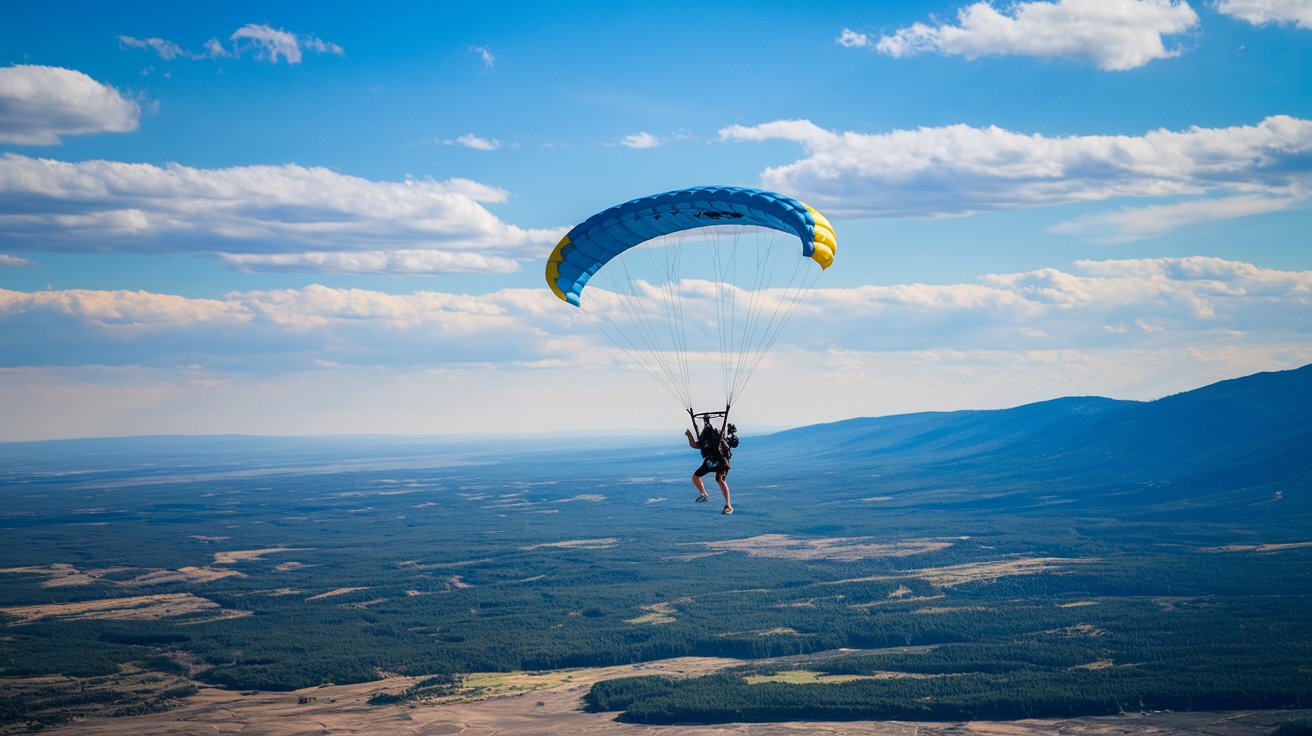
Best Skydiving Locations USA: Top 12 Places to Jump in 2025
The United States offers some of the world’s most spectacular skydiving locations, from Hawaiian coastlines to desert landscapes. Whether you’re seeking your first tandem jump or planning an advanced solo dive, America’s diverse geography provides breathtaking backdrops for every skill level. This comprehensive guide reveals the best skydiving destinations across the country, featuring updated 2025 information on drop zones, seasonal conditions, and what makes each location uniquely extraordinary.
Top West Coast Skydiving Destinations
The West Coast delivers some of the most beautiful skydiving experiences in America, combining ocean views with mountain backdrops. California leads with over 45 active drop zones, while the Pacific Northwest offers unique seasonal jumping conditions. These locations attract both beginners and experienced skydivers seeking stunning aerial perspectives of America’s western landscapes.
Weather patterns along the West Coast provide excellent jumping conditions from April through October, with many facilities operating year-round. The region’s diverse terrain, from sandy beaches to snow-capped peaks, creates unforgettable skydiving memories that rank among the world’s best.
San Diego, California – Ocean Paradise Jumping
San Diego consistently ranks as the most popular skydiving location on the West Coast, offering perfect weather 300+ days annually. Skydive San Diego and GoJump facilities provide tandem jumps from 13,000 feet, showcasing panoramic views of the Pacific Ocean, La Jolla coastline, and downtown skyline. The region’s mild temperatures and minimal wind make it ideal for year-round skydiving operations.
Monterey Bay, California – Coastal Scenic Jumps
Monterey Bay offers unique marine wildlife viewing opportunities during descent, with whale migrations visible from altitude. Skydive Monterey Bay operates from Marina Airport, providing jumps over Monterey Peninsula’s dramatic coastline. The facility specializes in scenic tandem experiences with experienced instructors who highlight local landmarks during the 60-second freefall.
Premier East Coast Skydiving Locations
East Coast skydiving destinations combine historical significance with natural beauty, offering jumpers views of iconic American landmarks and diverse terrain. From Virginia’s rolling hills to Florida’s endless coastlines, the eastern seaboard provides exceptional skydiving opportunities across multiple climate zones and seasonal variations.
The region’s established drop zones feature state-of-the-art equipment and highly certified instructors, making it perfect for both first-time jumpers and advanced skydivers. Many facilities offer specialized programs including accelerated freefall courses and formation skydiving training.
Midland, Virginia – Skydiving Capital Recognition
Skydive Orange in Midland, Virginia, holds recognition as a premier skydiving destination on the East Coast. Located 90 minutes from Washington DC, this facility offers jumps up to 14,000 feet with views of Virginia’s Blue Ridge Mountains. The drop zone operates year-round with modern Cessna aircraft and maintains an excellent safety record with over 200,000 successful jumps.
Titusville, Florida – Space Coast Adventures
Titusville provides unique space-themed skydiving experiences near Kennedy Space Center, with potential views of rocket launches during jumps. Skydive Space Center offers tandem jumps from 18,000 feet, providing extended freefall time over Florida’s Atlantic coastline. The facility’s proximity to NASA operations adds an extra dimension to the skydiving adventure.
Island Paradise Skydiving Experiences
Island skydiving locations offer the most spectacular aerial views available in the United States, combining tropical beauty with adrenaline-pumping adventure. Hawaii leads with multiple drop zones across different islands, each providing unique perspectives of volcanic landscapes, pristine beaches, and crystal-clear waters.
Oahu, Hawaii – Tropical Skydiving Paradise
Oahu’s North Shore delivers world-class skydiving with views of famous surf breaks, including Pipeline and Sunset Beach. Skydive Hawaii operates from Dillingham Airfield, offering tandem jumps from 14,000 feet over turquoise waters and white sand beaches. The facility maintains perfect safety records while providing breathtaking island views that consistently rank among America’s best.
Maui, Hawaii – Volcanic Landscape Jumping
Maui’s unique volcanic terrain creates dramatic skydiving backdrops with Haleakala Crater and pristine coastlines visible during descent. Skydive Maui offers jumps from Hana Airport, providing views of bamboo forests, waterfalls, and the famous Road to Hana. The location’s isolation ensures peaceful skydiving experiences away from crowded tourist areas.
Midwest and Mountain Region Highlights
America’s heartland and mountain regions provide diverse skydiving landscapes from flat agricultural plains to towering Rocky Mountain peaks. These areas offer excellent training conditions for new skydivers while providing experienced jumpers with challenging altitude and weather variations.
Mountain skydiving locations feature higher elevation drop zones, resulting in longer freefall times and extended canopy rides. The region’s varied topography creates unique jumping experiences not available in coastal areas.
Tullahoma, Tennessee – Music City Skydiving
Skydive Tennessee in Tullahoma offers scenic Middle Tennessee views with rolling hills and lakes visible during descent. Located between Nashville and Chattanooga, this facility provides easy access for urban visitors seeking adventure. The drop zone features modern equipment and experienced instructors specializing in first-time tandem jumps and accelerated freefall training.
Colorado Rocky Mountain Jumping
Colorado’s high-altitude drop zones provide unique mountain skydiving experiences with views of 14,000-foot peaks and alpine lakes. Mile-Hi Skydiving near Denver offers jumps from 18,000 feet, taking advantage of the state’s elevation for extended freefall time. The thin mountain air requires specialized training but rewards jumpers with unparalleled scenic beauty.
Seasonal Considerations and Weather Patterns
Understanding seasonal weather patterns is crucial for planning the best skydiving experiences across different US regions. Spring and fall typically offer optimal conditions with mild temperatures and stable weather systems. Summer provides the longest operating seasons but may include afternoon thunderstorms in certain areas.
Winter skydiving is possible in southern locations like Florida, California, and Arizona, while northern facilities may have limited operations. Weather flexibility in travel planning ensures the best possible jumping conditions and safety margins.
Safety Records and Certification Standards
The United States maintains the highest skydiving safety standards globally through the United States Parachute Association (USPA) certification system. Modern equipment, rigorous training protocols, and regular safety inspections contribute to extremely low incident rates. In 2024, the fatality rate remained at approximately 0.003 per 1,000 jumps, making skydiving statistically safer than many common activities.
All recommended facilities maintain current USPA certifications, use modern automatic activation devices, and employ experienced instructors with thousands of successful jumps. Safety equipment undergoes regular inspection and replacement according to strict federal aviation administration guidelines.
Related video about best skydiving locations usa
This video complements the article information with a practical visual demonstration.
FAQ – Common Questions
Where is the best place to go skydiving in the US?
The best skydiving locations depend on personal preferences, but San Diego, California consistently ranks highest for year-round weather and ocean views. Hawaii offers the most scenic tropical experiences, while Virginia and Tennessee provide excellent East Coast options. Florida’s Space Coast combines coastal beauty with unique NASA proximity for rocket launch viewing opportunities.
What is the skydiving capital of the US?
While no official skydiving capital exists, several locations compete for this title. DeLand, Florida, hosts the largest skydiving events and training facilities. California leads in total drop zones with 45+ active facilities. Eloy, Arizona, serves as a major winter training destination for professional skydivers and hosts numerous competitions annually.
Where is the most beautiful place to skydive?
Hawaii’s Oahu and Maui consistently rank as the most beautiful skydiving locations, offering views of volcanic landscapes, pristine beaches, and crystal-clear waters. San Diego provides stunning coastal and urban panoramas, while Colorado’s Rocky Mountain locations offer dramatic alpine scenery. Each location provides unique beauty depending on personal landscape preferences.
How rare is dying from skydiving?
Skydiving fatalities are extremely rare in the United States, with approximately 0.003 deaths per 1,000 jumps in 2024. This makes skydiving statistically safer than driving a car, skiing, or even walking down stairs. Modern equipment, rigorous training, and strict safety protocols maintained by USPA-certified facilities ensure minimal risk for participants following proper procedures.
What’s the best time of year for skydiving in different US regions?
Optimal skydiving seasons vary by region: California and Florida offer year-round jumping with best conditions April through October. Hawaii maintains consistent weather year-round with trade winds providing stable conditions. Mountain states like Colorado offer summer seasons from May through September. East Coast locations provide excellent spring and fall conditions with extended summer seasons.
How much does skydiving cost at top US locations?
Tandem skydiving costs range from $200-400 depending on altitude and location. Hawaii and California premium locations charge $350-400 for 14,000-foot jumps. Midwest and East Coast facilities typically range $225-300. Additional costs include video packages ($75-150), photos ($50-100), and gear rentals. Group discounts and weekday rates often provide savings opportunities.
| Location Category | Best Features | Jumping Season |
|---|---|---|
| Hawaii Islands | Tropical views, volcanic landscapes | Year-round |
| California Coast | Ocean panoramas, perfect weather | Year-round |
| Florida Locations | Space Coast views, warm climate | Year-round |
| Mountain Regions | Alpine scenery, high altitude | May-September |
| East Coast | Historical landmarks, varied terrain | April-October |