Tandem Skydiving for Beginners: Complete 2025 Guide
Tandem skydiving for beginners offers the perfect introduction to the thrilling world of skydiving, allowing first-time jumpers to experience freefall while harnessed to an experienced instructor. This comprehensive guide covers everything you need to know about tandem skydiving, from preparation and safety statistics to what to expect during your first jump, ensuring you’re fully prepared for this life-changing adventure.
What Is Tandem Skydiving and How It Works
Tandem skydiving is a method that allows beginners to experience skydiving without extensive training by jumping while securely attached to a certified instructor. The student is connected to the instructor via a specialized harness system, with the instructor controlling the parachute deployment and landing procedures. This approach enables first-time jumpers to focus on enjoying the experience rather than worrying about technical aspects.
During a tandem skydive, you’ll typically ascend to altitudes between 10,000 and 15,000 feet, experiencing 45-60 seconds of freefall before the parachute deploys. The entire experience from takeoff to landing usually lasts 20-30 minutes, with the actual jump portion taking about 5-7 minutes. This method has a fatality rate of approximately 0.003% according to 2024 United States Parachute Association statistics, making it one of the safest ways to experience skydiving.
Essential Preparation for Your First Tandem Skydive
Proper preparation is crucial for a successful first time skydiving experience. Most reputable skydiving centers require participants to weigh between 90-240 pounds and be at least 18 years old, though some locations accept 16-17 year olds with parental consent. You’ll need to complete medical forms and may require physician approval if you have certain health conditions like heart problems, high blood pressure, or recent surgeries.
Physical and Mental Preparation
Physical fitness requirements for tandem skydiving are minimal, but you should be able to walk unassisted and lift your legs during landing. Mental preparation involves understanding that nervousness is completely normal – even experienced skydivers feel butterflies before jumping. Practice breathing exercises and visualization techniques to help manage pre-jump anxiety.
Documentation and Legal Requirements
All participants must sign comprehensive liability waivers and provide valid government-issued photo identification. International visitors need passports, and some centers require additional documentation. Pregnant women, individuals under the influence of drugs or alcohol, and those with certain medical conditions are prohibited from tandem skydiving for safety reasons.
What to Wear and Bring for Your Skydive
Choosing appropriate attire significantly impacts your skydiving comfort and safety. Wear comfortable, weather-appropriate clothing that allows full range of motion. Avoid loose clothing, jewelry, or anything that could become entangled during freefall. Most centers provide jumpsuits, goggles, and helmets, but you’ll need to wear your own shoes and undergarments.
Recommended Clothing Choices
Opt for athletic wear or comfortable casual clothes that fit snugly but aren’t restrictive. Long pants and closed-toe shoes are mandatory at most facilities. Avoid sandals, flip-flops, or boots with hooks. Layers work well since temperatures can be significantly cooler at jumping altitude – expect temperatures to drop 3-5 degrees Fahrenheit per 1,000 feet of altitude.
Items to Leave Behind
Leave jewelry, watches, and loose accessories at home or in your vehicle. Remove contact lenses if possible, as tandem skydiving goggles may not accommodate them comfortably. Avoid bringing anything you can’t afford to lose, including phones in pockets, though many centers offer secure storage options for personal belongings during your jump.
Understanding Tandem Skydiving Safety Statistics
Safety statistics for tandem skydiving in the United States are reassuring for nervous first-time jumpers. According to the United States Parachute Association’s 2024 data, tandem skydiving has a fatality rate of approximately 1 in 500,000 jumps. This makes tandem skydiving statistically safer than driving a car, with automotive fatality rates at 1 in 5,000 annually.
The exceptional safety record stems from rigorous instructor training requirements, mandatory equipment inspections, and standardized procedures. All tandem instructors must complete extensive training programs and maintain current certifications. Reserve parachutes are packed by FAA-certified riggers and inspected every 180 days, while main parachutes undergo regular maintenance cycles.
The Complete Tandem Skydiving Experience Process
Your tandem skydiving adventure begins with arrival at the drop zone, typically 2-3 hours before your scheduled jump time. This allows for paperwork completion, gear fitting, and comprehensive ground training. The process is designed to ensure beginners feel confident and prepared before boarding the aircraft.
Ground Training and Equipment Fitting
Ground training covers essential body position techniques for freefall and landing. Your instructor will demonstrate the arch position used during freefall and proper landing procedures. Equipment fitting ensures your harness, goggles, and helmet fit properly. This training session typically lasts 15-30 minutes and addresses common questions about the jumping process.
Aircraft Ascent and Jump Sequence
The aircraft ascent to jumping altitude takes 15-20 minutes, providing time to enjoy aerial views and mentally prepare for your first skydive. Your instructor will review hand signals and remind you of proper positioning. When you reach the exit door, your instructor controls the entire exit sequence, ensuring optimal safety and positioning for freefall.
Mastering Body Position During Freefall and Landing
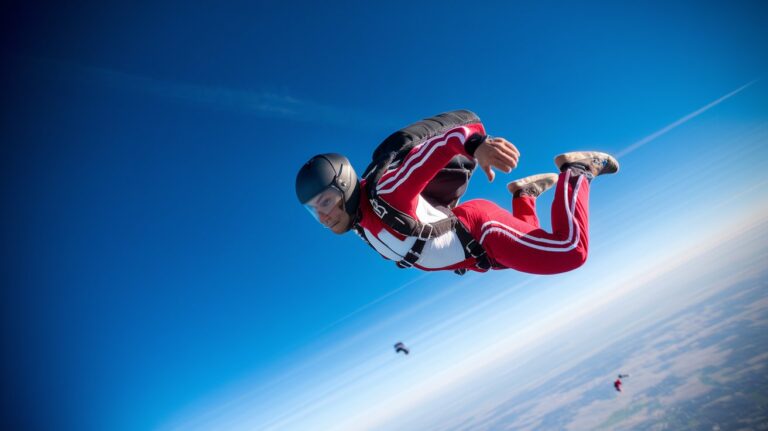
Proper body position is crucial for a smooth tandem skydiving experience. During freefall, maintain an arched position with your head up, arms extended, and legs slightly bent. This position creates stability and allows your instructor to maintain control throughout the 45-60 second freefall portion of your jump.
Landing preparation involves lifting your legs when instructed by your tandem instructor. Most tandem landings are gentle, sliding landings where both you and your instructor land together on your bottoms. Advanced instructors may perform standing landings, but leg-lifting is still required to avoid catching your feet during the landing approach.
Managing Pre-Jump Nerves and Breathing Techniques
Experiencing nerves before your first time skydiving is completely normal and expected. Even experienced skydivers acknowledge pre-jump butterflies as part of the experience. The key is managing these nerves through proper breathing techniques and mental preparation strategies that help you focus on the incredible experience ahead.
Practice deep breathing exercises during the days leading up to your jump. During the aircraft ascent, focus on slow, controlled breathing to maintain calm. Remember that your certified instructor has completed hundreds or thousands of successful tandem jumps and is equipped to handle any situation that may arise during your skydive.
Choosing the Right Skydiving Center and Instructor
Selecting a reputable skydiving center is crucial for a safe and enjoyable tandem skydiving experience. Research facilities in your area using the United States Parachute Association’s member directory, which lists certified drop zones that meet strict safety standards. Read recent reviews and verify that instructors hold current certifications from recognized training organizations.
Certification and Safety Standards to Look For
Ensure your chosen facility holds proper certifications from the FAA and USPA. Instructors should have Tandem Instructor ratings with current medical certificates. Ask about their safety record, equipment maintenance schedules, and instructor experience levels. Reputable centers will gladly discuss their safety protocols and instructor qualifications with prospective jumpers.
Additional Services and Amenities
Many modern skydiving centers offer additional services like video packages, photography, and comfortable waiting areas for friends and family. Some facilities provide indoor skydiving simulators for additional practice before your actual jump. Consider these amenities when selecting your skydiving center, but prioritize safety credentials over luxury features.
Weather Conditions and Scheduling Considerations
Weather plays a critical role in skydiving safety and must meet strict criteria before jumps can proceed. Wind speeds, cloud coverage, and visibility all affect jumping conditions. Most skydiving centers monitor weather continuously and may postpone or cancel jumps for safety reasons. Understanding these factors helps set realistic expectations for your scheduled tandem skydive.
Optimal skydiving conditions include winds under 20 mph, clear visibility, and minimal cloud coverage below jumping altitude. Rain, thunderstorms, and high winds will result in jump cancellations. Most reputable centers offer flexible rescheduling policies when weather prevents safe jumping operations, so plan accordingly when booking your first skydive.
Post-Jump Experience and Next Steps
After your tandem skydiving experience, many first-time jumpers report feeling an incredible sense of accomplishment and adrenaline rush that can last for hours or days. This is completely normal and part of the skydiving experience. Your instructor will debrief the jump, discussing what went well and answering any questions about the experience.
Many beginners become interested in pursuing skydiving further after their first tandem jump. If you’re interested in learning to skydive solo, ask about Accelerated Freefall (AFF) programs that teach independent skydiving skills. These programs require more extensive training but lead to solo skydiving certification for those who want to continue in the sport.
Related video about tandem skydiving for beginners
This video complements the article information with a practical visual demonstration.
Frequently Asked Questions
What should I expect during my first tandem skydive?
Your first tandem skydive includes ground training, equipment fitting, a 15-20 minute aircraft ascent, 45-60 seconds of freefall, and a gentle parachute landing. The entire experience takes 20-30 minutes from takeoff to landing, with comprehensive safety briefings throughout the process.
Is tandem skydiving hard for beginners?
Tandem skydiving is designed specifically for beginners and requires minimal physical effort from participants. Your certified instructor controls all technical aspects while you simply maintain proper body position and enjoy the experience. Most people find it easier than expected.
What is the fatality rate of tandem skydiving?
According to 2024 USPA statistics, tandem skydiving has a fatality rate of approximately 0.003% or 1 in 500,000 jumps. This makes tandem skydiving statistically safer than driving a car, with rigorous safety protocols and instructor training contributing to this excellent safety record.
Do you have to tandem skydive for your first time?
While not legally required, tandem skydiving is the recommended and most common method for first-time jumpers. Alternative training methods like Accelerated Freefall (AFF) exist but require extensive ground training. Tandem jumps provide the safest introduction to skydiving for beginners.
How much does tandem skydiving cost for beginners?
Tandem skydiving costs typically range from $200-400 in the United States, depending on location, altitude, and included services. Additional costs may include video packages ($100-150), photos ($50-100), and transportation to remote drop zones. Many centers offer package deals for groups or multiple jumps.
What are the age and weight restrictions for tandem skydiving?
Most US skydiving centers require participants to be at least 18 years old and weigh between 90-240 pounds. Some locations accept 16-17 year olds with parental consent. Weight restrictions exist for safety reasons and equipment limitations, with some centers accommodating higher weights with additional fees.
| Key Aspect | Important Details | Benefit |
|---|---|---|
| Safety Record | 0.003% fatality rate, 1 in 500,000 jumps | Statistically safer than driving |
| Training Required | 15-30 minutes ground training | Minimal preparation needed |
| Freefall Duration | 45-60 seconds from 10,000-15,000 feet | Extended adrenaline experience |
| Age Requirements | 18+ years (16-17 with consent) | Accessible to most adults |
| Weight Limits | 90-240 pounds typically | Safe equipment operation |